
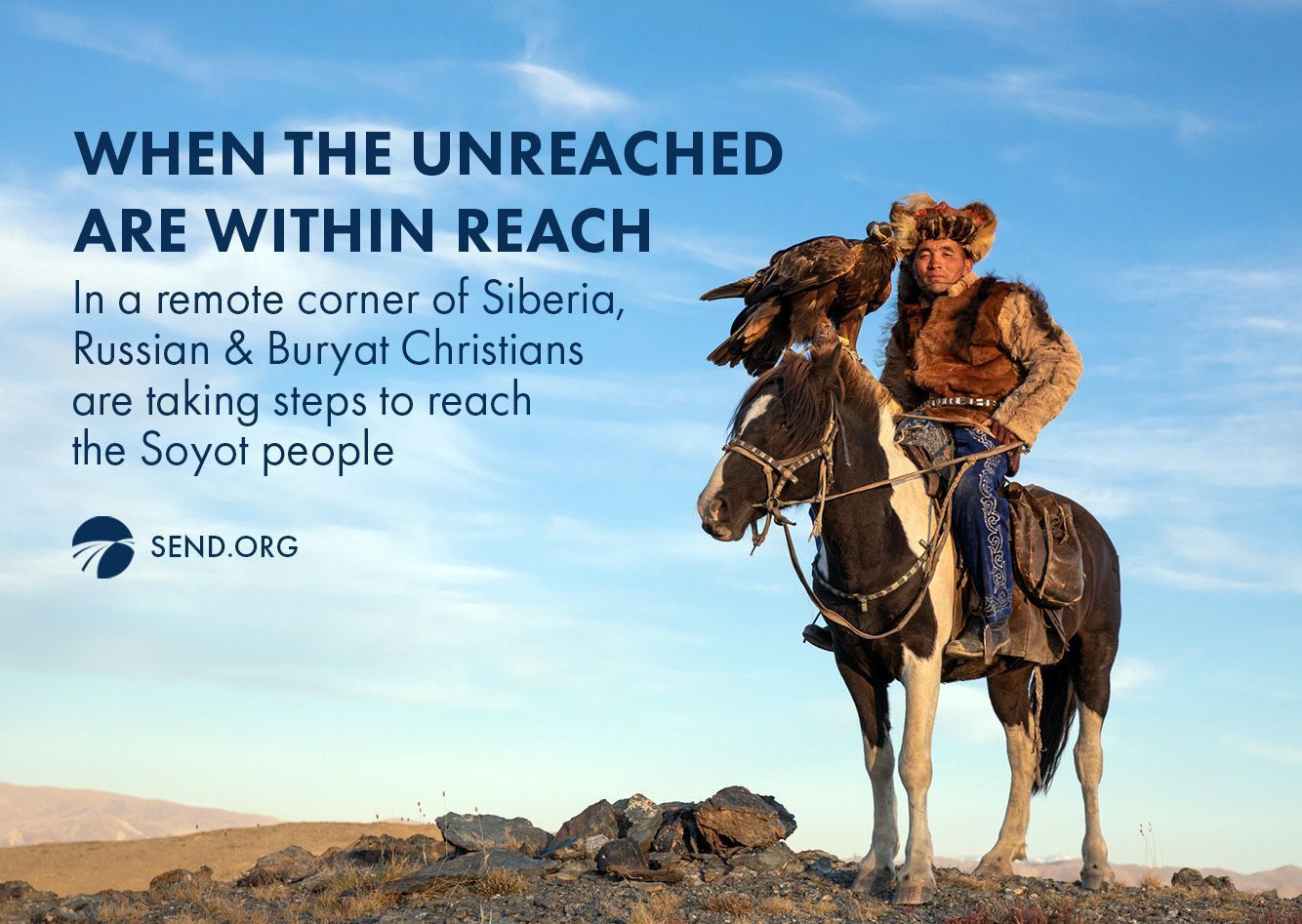
When the Unreached is Within Reach
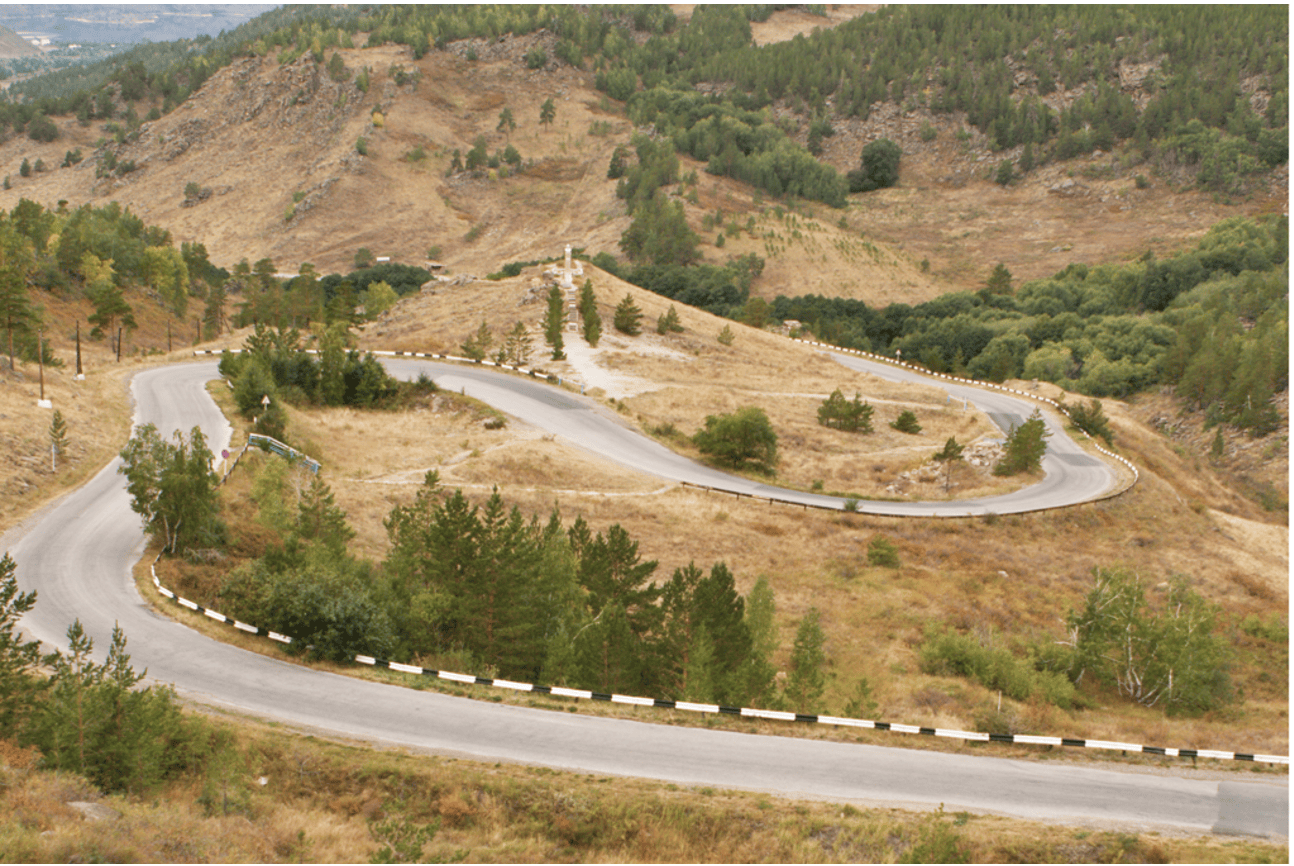
As I walked out through the cold metal gate of the grey Internal Affairs complex near the checkpoint, close to the Y where one road led to a small border crossing to Mongolia and the other into the mountainous area of Buryatia, I had mixed feelings.
I felt thankful that I had passed here a few months earlier to go on a hiking trip and had already met the officer who interviewed me. Thus, I was able to pass through this day’s interview quickly and easily. I was glad that I turned down my friend’s offer to buy half a yak’s worth of meat, as that probably would have created issues with the officers at this checkpoint. I was excited that I had been able to finish this trip together with two pastors and another brother to visit the home area of the Soyot people. But I was a little sad knowing that I probably wouldn’t make future trips as it was clear that my presence as a foreigner brought too much attention to the group traveling to this remote part of Siberia.
The Buryat and Soyot Connection
The catalyst for this trip took place over a year earlier. After years of trying, we were finally able to run a Kairos course in Buryatia. This course, an introduction to the Biblical basis, history, and current picture of world missions, helped open the eyes of brothers and sisters in local churches to the many people groups that have little to no access to the good news of Jesus. Russians themselves have only an extremely small percent of true disciples of Jesus, and the Buryats are considered an unreached people group by the Joshua Project , but brothers and sisters from both ethnic groups realized there are those that are even less reached.
As the participants in the course began discussing unreached people groups around them, one brother began to think particularly about the Soyots. The Soyots are a small people group of only a few thousand, they live far from any cities, and they have culturally integrated in many ways into the Buryats that surround them. Mission organizations and even local church networks have not paid much attention to the Soyots because they live far from others in an isolated area where smaller towns are shrinking as people move to cities in search of work.
But these brothers who I traveled with saw things differently. If they didn’t work to reach out to this people group, then the Soyots would not just be considered unreached, but also unengaged. If they didn’t travel hours along the Siberian mountain roads within their own republic, then who would? They knew there were strategic questions to answer, but the more pressing question was one of obeying God’s commission or not. Would they go to all the peoples of the earth?
Small Steps with Big Impact
The process is still a slow one, but these brothers continue to reach out to the Soyots. They have now made several trips and have been thoughtful in the timing and purpose of these trips. They have met with local leaders in the town such as the school administration, cultural leaders, and even one of the local shamans, all to show transparency and openness with what they are doing.
They have visited during local holidays when they know that guests are welcomed and seen as a blessing and have brought gifts with them as they visit homes in the largest town of the Soyot people. These brothers have connected outside translators to those in the Soyot villages as they work to revive the dying Soyot language. They make use of the local Buryat dialect spoken by most Soyots in order to bring understandable translations of the Scriptures to those who have never encountered God’s word in the language they use.
This challenging work in a difficult place has also brought together brothers and sisters from different church backgrounds to work together as they each recognize that this work is bigger than what any one church can do. It is something that needs help from all the churches and unity among those who too often find reasons to be divided. I really believe that
God is in the middle of this, and he will bless this
and bring Soyot brothers and sisters into his family through the faithful work of our Buryat and Russian brothers and sisters.
Contributed by LG of SEND Eurasia
Contributed by LG of SEND Eurasia
Additional Posts
Learn about the spiritual harmony in Vietnam & how missionaries engage with college students. Join us in sharing the gospel!
Explore Georgia's spiritual heritage and the impact of SEND International's mission. Join us in fostering authentic relationships today!
Explore Suresh's journey in Nepal, where SEND empowers local leaders to spread faith and education amidst challenges. Join us in this mission.