
Hospitality in a Unique Cultural Context
What does hospitality look like to you? For me, hospitality has meant opening my home to family and friends—hosting Thanksgiving and Christmas, a summer BBQ, or a game night. It’s decorating the house, preparing favorite foods, and sharing quality time together. It’s comfortable, familiar, and controlled: guests are invited, know when to arrive, and have a sense of what to expect.
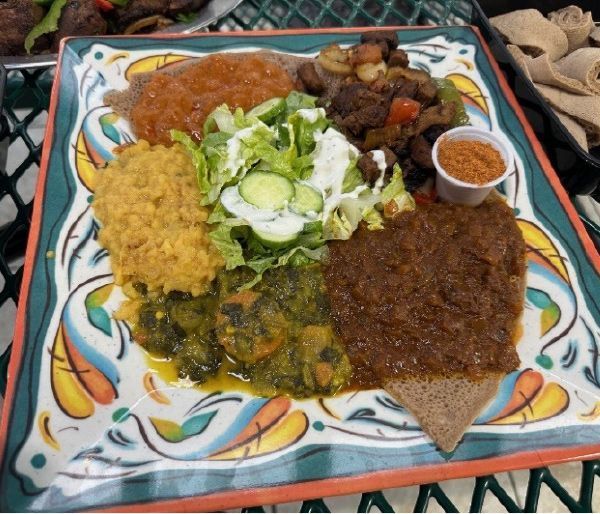
My Middle Eastern and Persian friends, however, have shown
me a new kind of hospitality—one that is spontaneous and generous.
For them, hospitality often includes coffee, tea, a plate of snacks, and sometimes a meal, regardless of whether they themselves are eating. It’s rarely planned or scheduled; it just happens when someone shows up.
This new way of hospitality hit home for me one evening when my wife and I joined a Moroccan English student and his family for dinner.
As we entered their small Detroit home, we were immediately welcomed with hugs and kisses on the cheek. We were given the best seats in the house, and a beautiful, large silver tray with nuts, fruit, cookies, and candy was placed in front of us.
This new way of hospitality hit home for me one evening when my wife and I joined a Moroccan English student and his family for dinner.
As we entered their small Detroit home, we were immediately welcomed with hugs and kisses on the cheek. We were given the best seats in the house, and a beautiful, large silver tray with nuts, fruit, cookies, and candy was placed in front of us.
Next came tea. Our student raised the beautiful teapot high over our glass cups, expertly pouring a long stream of tea. We sat together, enjoying tea and snacks while talking, waiting for dinner. Helping in the kitchen was out of the question—guests were treated as honored visitors.
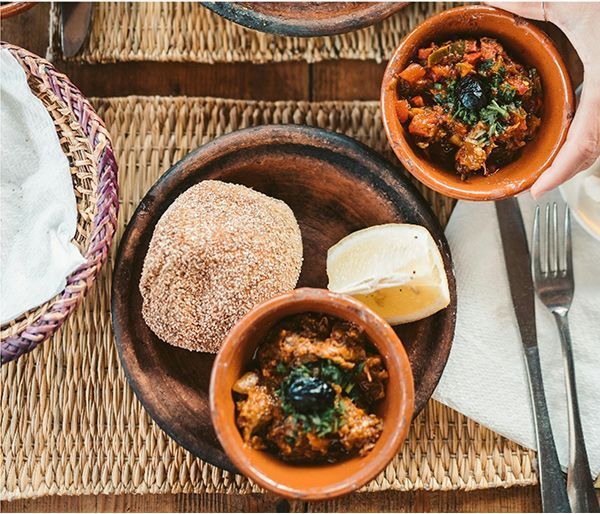
When we finished, our host insisted that we didn’t need an invitation or an appointment to come over. “If you ever want some Moroccan food, just stop by and ask. You don’t even have to stay; you can take it to go.” Offering a drive-up level of hospitality was something I had never experienced.
In the New Testament, the word for hospitality is “philoxenia”, a combination of “phileo” (a deep love shared by friends) and “xenos” (meaning “stranger” or “foreigner”). If you’ve seen the movie “My Big Fat Greek Wedding”, you may remember the Greek father, Gus, referring to non-Greeks as “xenos”—strangers, foreigners, those outside the family.
When we finished, our host insisted that we didn’t need an invitation or an appointment to come over. “If you ever want some Moroccan food, just stop by and ask. You don’t even have to stay; you can take it to go.” Offering a drive-up level of hospitality was something I had never experienced.
In the New Testament, the word for hospitality is “philoxenia”, a combination of “phileo” (a deep love shared by friends) and “xenos” (meaning “stranger” or “foreigner”). If you’ve seen the movie “My Big Fat Greek Wedding”, you may remember the Greek father, Gus, referring to non-Greeks as “xenos”—strangers, foreigners, those outside the family.

By joining these words,
the Bible paints a picture of hospitality as loving the stranger, the one who isn’t “us.”
Through hospitality, the stranger becomes a guest, an honored person welcomed into the group.
Here are a few tips for welcoming spontaneous guests:
Here are a few tips for welcoming spontaneous guests:
- Keep a variety of snacks, nuts, and candy in your pantry, along with a beautiful platter for serving.
- Store some extra food in the freezer to pull out if needed.
- Remember that people are more important than plans.
- Add hospitality to your budget.
- Some cultures and religious groups have dietary restrictions; it’s helpful to have options that meet halal, kosher, or vegan needs if your community includes people with these preferences
While my Arab and Persian friends still need Jesus, they have expanded my view of hospitality by welcoming me into their families.
Let’s welcome the strangers among us into our homes, our communities, and ultimately, a life with Jesus.
“Do not neglect to show hospitality to strangers…” (Hebrews 13:2)
Contributed by Tom, Diaspora Worker in Detroit
“Do not neglect to show hospitality to strangers…” (Hebrews 13:2)
Contributed by Tom, Diaspora Worker in Detroit
Additional Posts

Learn about the spiritual harmony in Vietnam & how missionaries engage with college students. Join us in sharing the gospel!

Explore Georgia's spiritual heritage and the impact of SEND International's mission. Join us in fostering authentic relationships today!

Explore Suresh's journey in Nepal, where SEND empowers local leaders to spread faith and education amidst challenges. Join us in this mission.