

How Missions has Changed Over the Last 30 Years in Japan
When I arrived with my family in Japan in 1993, we first worked with a para-church youth ministry. The ministry almost exclusively happened at Christian locations. Our job as missionaries was to prepare for the program and maintain the facilities. This was gratifying as Christian high school students gathered in rented rooms to encourage one another in their faith walk. We also planned evangelistic events and camps to both encourage believers as well as to proclaim the gospel to the unsaved.
From what we heard and observed, most missionary work was like this—conducting worship services, presenting Christian concerts, hosting banquets with salvation testimonies, and teaching English classes at the church building. These were instrumental in how missionaries did their work in building up the church, starting churches, and spreading the gospel. To get people to attend these events, missionaries urged believers to invite their friends. Also, many missionaries and Japanese pastors went to neighborhood houses to put invitations into all the mailboxes. Occasionally, invitations were handed out in person at train stations or in front of schools.
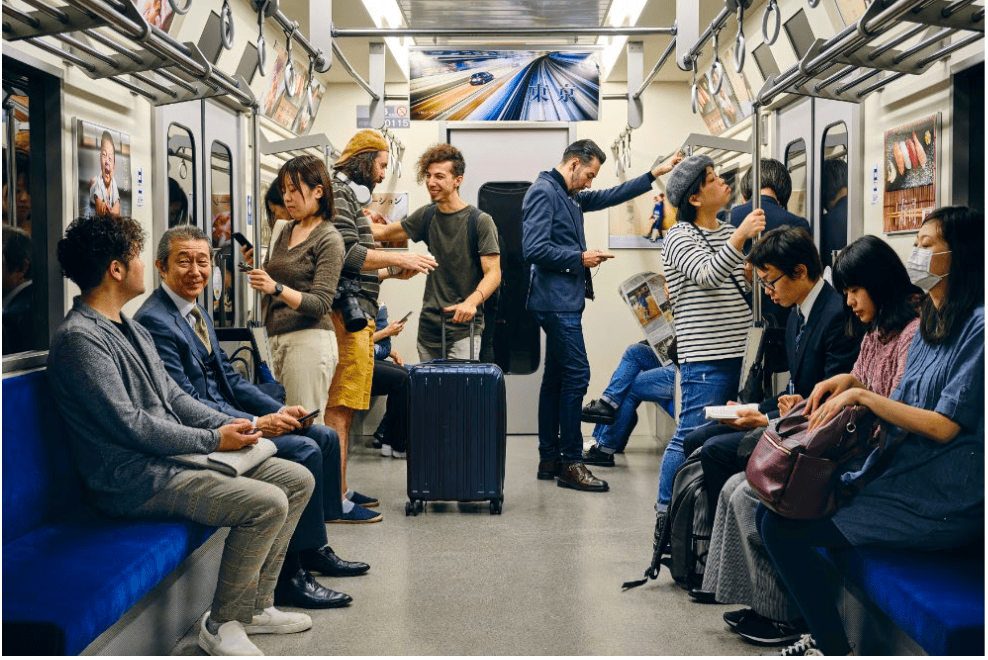
For me personally, I began to see a major shortcoming in relying almost exclusively on this kind of ministry, especially as it pertained to evangelism. It required the unchurched and unsaved, to enter into a Christian environment or go to a Christian location to hear the gospel. I began to pray for courage and opportunities to engage with people outside the Christian places, and God answered those prayers as I met and talked with people on trains, in restaurants, in parks, in stores, etc. I remember one missionary in the early 2000s who was starting a church in eastern Tokyo urged his church members to skip church IF there was an event happening in their community like a festival or a cleaning day. He wanted Christians to be at these gatherings where many unchurched and unsaved people would be.
From inside the Christian circle to outside
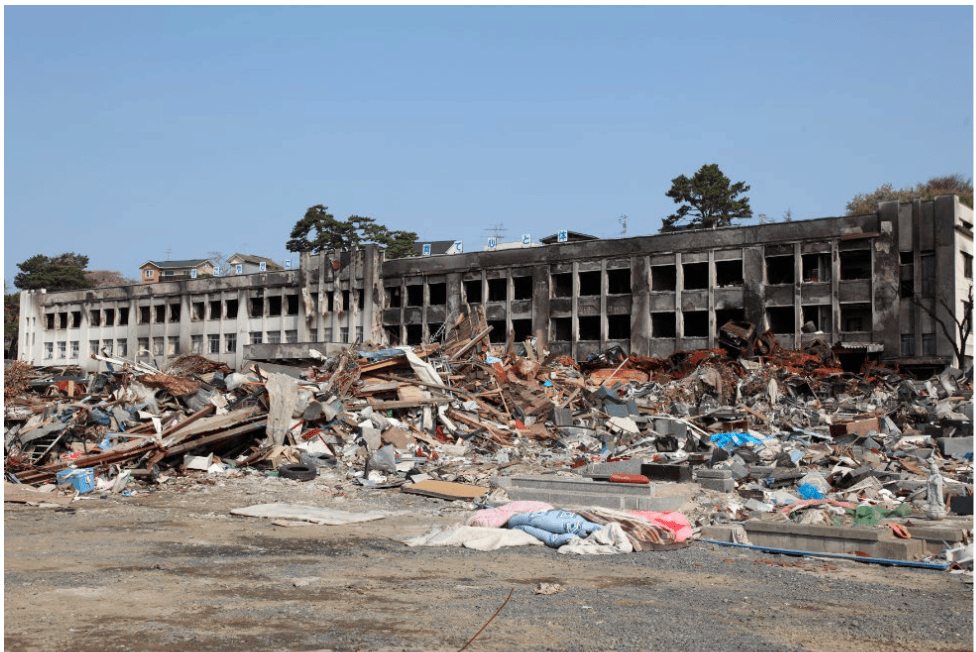
A major shift occurred in 2011 when the triple disaster struck northeastern Japan. Missionaries and even many Japanese Christians went up to the stricken areas of Miyagi, Fukushima, and Iwate. The activities did not take place in Christian places. Missionaries simply showed up to help and serve. In the first days and weeks, it was bringing in supplies like food and blankets. In the following months, it was helping to clean up houses and businesses. Picking up rubble, shoveling out sand and dirt from foundations, and scrubbing walls and floors.
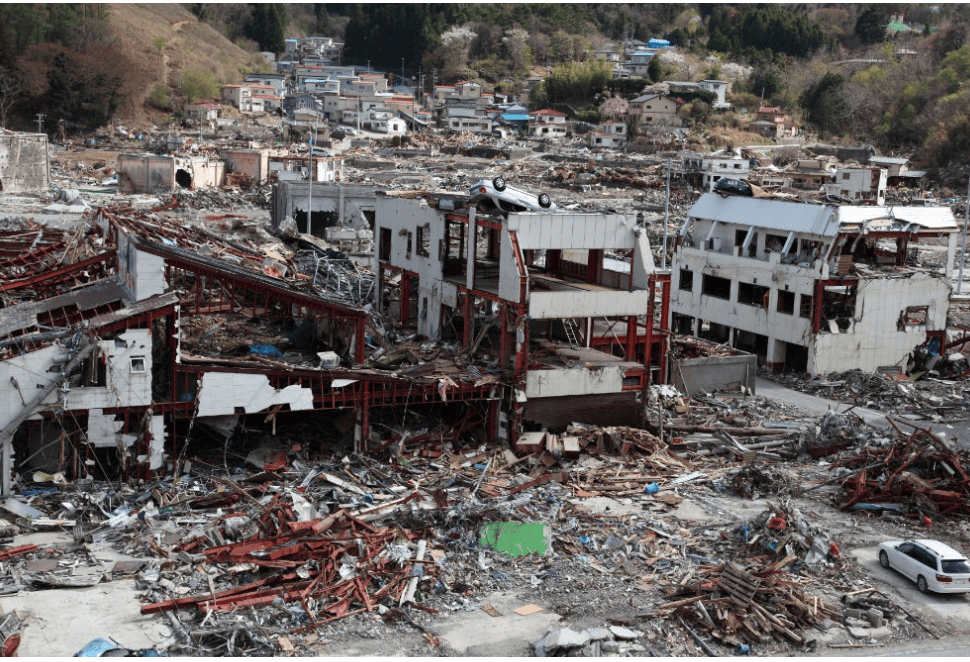
Christians worked alongside non-Christians. Silent prayers would be offered and sometimes groups would pray together before and after a work day. In the following years, missionaries and Japanese believers served in temporary housing areas. They would perform music, lead in some craft, serve a meal, and just sit and listen to disaster victims. The ministry at this point wasn’t much different than before except it was now happening outside a Christian location. Rather than the Christians waiting for people to come to them, they were going out to be among the people.
Meeting them where they are
Perhaps because of this change, I’ve observed more service ministry being done outside of church buildings. I hear of missionaries teaching English at kindergartens and in community centers even though they are not permitted to “proselytize.” Several missionaries visit people in their homes, perhaps bringing them some donated food, but mostly just going to listen to them and when permitted, pray with them. Perhaps it was always there, but I now see and hear more about missionaries getting involved in activities with unbelievers.
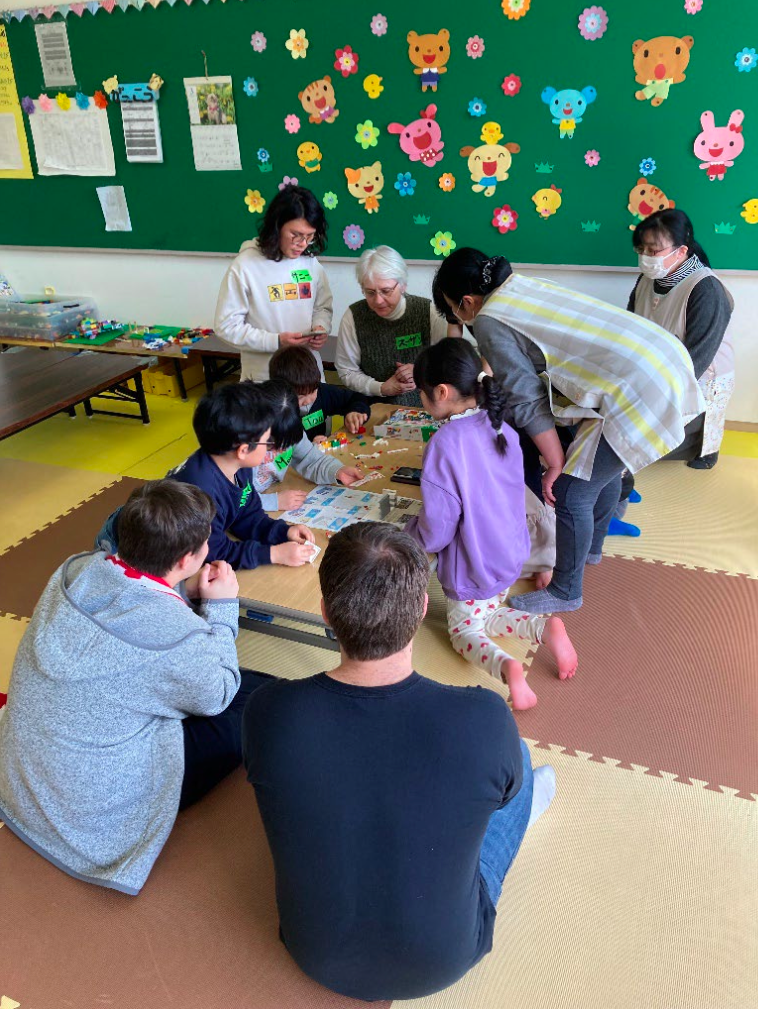
One missionary regularly plays tennis and jogs with unbelievers. Another missionary joined a soccer group and another a volleyball group. My wife and I joined a Japanese sign language group. Another coworker and I have joined a traditional dance group and dance in our local Hanagasa Festival. We get to talk about our faith in one-on-one conversations, not in large groups.
The Japanese pastor with whom we work says this is a harder kind of ministry. It takes longer, but it prevents Christians from being viewed as separate from the community, and even being perceived as important contributors to the community. In an interesting twist, the church we currently cooperate with has allowed their building to be used for community events. A men’s choir practices here; a senior citizens group meets there. Often people in the church are involved in these groups that are by no means Christian in their purposes or activities.
Traditional ministry continues to happen in Christian places like churches and camps, but I think in our three decades here in Japan, we’ve seen a balance of focus on both these places and also on the public places where most Japanese people live their lives. The salt and light of the gospel is being spread out rather than being overly concentrated in a few “Christian” places. Missionaries are valued not only for preaching, but more so for their caring nature, strong relationships, ability to serve, shared interests, and the faith and courage to reach out. As a result, I think we’re seeing a change in younger missionaries who come with a heart for this kind of outreach.
The Japanese pastor with whom we work says this is a harder kind of ministry. It takes longer, but it prevents Christians from being viewed as separate from the community, and even being perceived as important contributors to the community. In an interesting twist, the church we currently cooperate with has allowed their building to be used for community events. A men’s choir practices here; a senior citizens group meets there. Often people in the church are involved in these groups that are by no means Christian in their purposes or activities.
Traditional ministry continues to happen in Christian places like churches and camps, but I think in our three decades here in Japan, we’ve seen a balance of focus on both these places and also on the public places where most Japanese people live their lives. The salt and light of the gospel is being spread out rather than being overly concentrated in a few “Christian” places. Missionaries are valued not only for preaching, but more so for their caring nature, strong relationships, ability to serve, shared interests, and the faith and courage to reach out. As a result, I think we’re seeing a change in younger missionaries who come with a heart for this kind of outreach.
Additional Posts
Learn about the spiritual harmony in Vietnam & how missionaries engage with college students. Join us in sharing the gospel!

Explore Georgia's spiritual heritage and the impact of SEND International's mission. Join us in fostering authentic relationships today!

Explore Suresh's journey in Nepal, where SEND empowers local leaders to spread faith and education amidst challenges. Join us in this mission.